




Blog / Service

Tires FAQ: Everything Drivers Need to Know About Car Tires

Tire FAQ: Everything Drivers Need to Know About Car Tires 

Tires have a tough job. They're expected to carry several thousand pounds of vehicle, survive potholes, rainstorms, summer heat, winter cold, and the occasional encounter with a curb, all while delivering grip, comfort, and safety. Then, somehow, most of us forget they exist until one goes flat. 

The reality is that your tires are the only part of your Chevrolet touching the road. Four patches of rubber, each about the size of your hand, are responsible for every bit of acceleration, braking, and cornering your vehicle performs. That's quite a responsibility. 

Decoding All Those Numbers on the Sidewall 

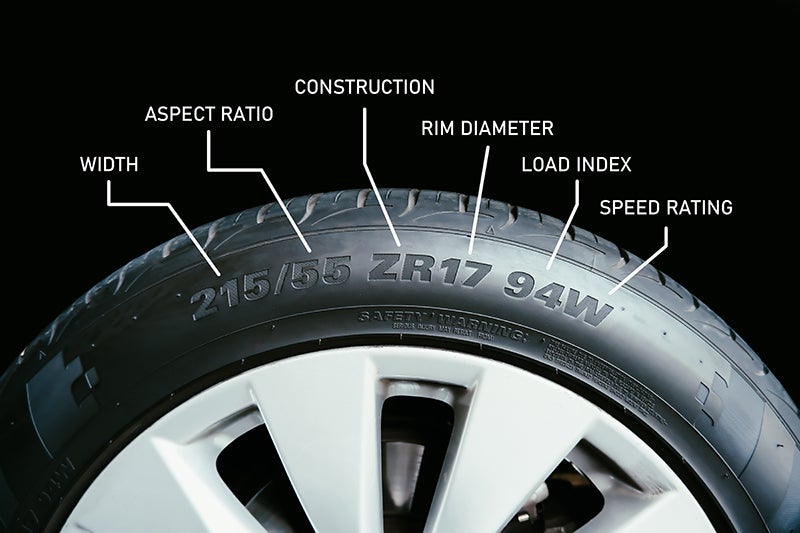
Let's start with the mysterious string of letters and numbers printed on the side of every tire. Take something like P215/65R16 98H. 

It looks like a password generated by an especially grumpy computer, but it contains useful information. The "P" identifies the tire as a passenger vehicle tire. The width is 215 millimeters. The sidewall height is 65 percent of that width. "R" means radial construction, and 16 refers to the wheel diameter in inches. 

The remaining numbers indicate load capacity and speed rating. Simple, really. Once somebody explains it. 

Tire Rotations: The Maintenance Item Everyone Forgets 

Tires rarely wear evenly. Front tires usually have a tougher life because they handle steering duties and, on many vehicles, much of the acceleration work as well. Left alone, they can wear significantly faster than the rear tires. 

That is why tire rotations matter. Most manufacturers recommend rotating tires every 5,000 to 7,500 miles. Conveniently, that often lines up with routine service visits. Rotating them regularly helps distribute wear more evenly and can significantly extend overall tire life. It is not exciting maintenance, but it is surprisingly effective. 

When Is It Time for New Tires? 

There are two things that eventually catch every tire: wear and age. The classic penny test remains useful. Place a penny into the tread with Lincoln's head facing downward. If you can see the top of his head, the tread depth has reached the point where replacement should be considered. 

Even tires that look healthy can age out. Rubber naturally hardens and deteriorates over time. Many manufacturers recommend replacing tires that are between six and ten years old, regardless of remaining tread depth. In other words, tires have an expiration date, even if they never tell you directly. 

Warning Signs You Shouldn't Ignore 

Tires are generally polite enough to provide warnings before something serious happens. Uneven tread wear can indicate alignment or suspension issues. Bulges in the sidewall often point to internal damage and deserve immediate attention. Cracks, persistent vibrations, or a tire that continually loses pressure are all signs that something is wrong. 

These are not problems that tend to improve with optimism. A quick inspection today can prevent a much larger inconvenience tomorrow. 

What Happens If You Get a Flat Tire? 

First, don't panic. If a tire fails while driving, keep both hands on the wheel and gradually ease off the accelerator. Resist the urge to slam on the brakes. Allow the vehicle to slow naturally while moving to a safe location away from traffic. Once stopped, turn on your hazard lights and assess the situation. 

If you have a spare tire and know how to use it, great. If not, roadside assistance is often the smarter choice. Many Chevrolet owners also have access to assistance services through OnStar®, making it easier to get help when needed. 

A Little Attention Goes a Long Way 

Tires do not ask for much. Proper inflation, occasional rotations, alignment checks, and routine inspections cover most of what they need. In return, they provide grip, stability, comfort, and safety every single time you drive. 

Drivers throughout Clyde, Ohio can rely on certified Chevrolet service technicians for tire inspections, rotations, balancing, alignments, and replacements at Steinle Chevrolet Buick. Keeping your tires in good condition is one of the simplest ways to help your vehicle perform at its best and keep every drive a little less stressful. 
Posted in:

Related Posts

Tire Change

What to Do If You Get a Flat Tire: 5 Important Questions Answered

What Should You Do If You Get a Flat Tire? A flat tire can happen unexpectedly but knowing how to respond can help you stay safe and protect your vehicle from additional damage. If you notice your vehicle pulling to one side, feel vibrations, hear unusual sounds, or see a tire pressure warning light, safely reduce your speed and find a secure location to stop. Once parked, turn on your hazard lights and engage the parking brake. Avoid stopping in areas with heavy traffic whenever possible. If you cannot safely inspect or change the tire, contacting roadside assistance can help you avoid unnecessary risks. Can You Drive With a Flat Tire? Driving with a flat tire is not recommended because it can damage more than just the tire. Continuing to drive may affect the wheel, suspension components, and overall handling of your vehicle. Even a short distance on a completely deflated tire can create additional problems. If your vehicle has run-flat tires or a temporary mobility kit, refer to your owner's manual for specific guidelines. Otherwise, it is best to stop as soon as possible and determine the safest next step. How Do You Know If a Flat Tire Can Be Repaired? Not every flat tire requires replacement. A professional technician can inspect the tire to determine whether the damage can be safely repaired. Repairs may be possible when the puncture is located in the tread area and the tire has not been driven while severely underinflated. A tire replacement may be necessary if there is sidewall damage, significant wear, or internal damage. Proper inspection ensures your vehicle receives the correct solution for safe and reliable driving. What Should You Do If You Have a Spare Tire? If your vehicle includes a spare tire and you are in a safe location, you may be able to temporarily replace the damaged tire. Before changing the tire, make sure the vehicle is parked on stable ground and that you have the correct tools available. Keep in mind that spare tires are designed for temporary use. After installing a spare, schedule a tire inspection as soon as possible to determine whether your original tire can be repaired or needs replacement. How Can You Prevent Future Flat Tires? Regular tire maintenance can help reduce the chance of unexpected tire issues. Checking tire pressure, monitoring tread wear, rotating tires as recommended, and scheduling routine inspections can help keep your vehicle prepared for daily driving. The service team at Steinle Chevrolet Buick in Clyde, OH, can assist with tire inspections, repairs, replacements, and other maintenance needs for your Chevrolet or Buick. Proper tire care helps support vehicle safety, handling, and long-term performance.

Everything You Need to Know About an Oil Change for Your Chevrolet 

Everything You Need to Know About an Oil Change for Your Chevrolet

If you own a Chevrolet in Clyde, Ohio, you should visit Steinle Chevrolet for regular maintenance. Keeping up with regular oil changes is a simple and important way to protect your vehicle. Clean oil is necessary to keep the engine of a Silverado or an Equinox running correctly, and it helps the vehicle last longer. This guide explains why oil is important, and it helps you know when to schedule your next service. Why Oil Changes Are Necessary An oil change is required for the long-term health of an engine, and it is a vital part of car ownership. Engine oil breaks down and collects dirt and metal particles over time. It eventually loses the ability to lubricate the engine parts effectively. Skipping this service can lead to engine wear, lower performance, and expensive repairs. What Oil Actually Does in Your Vehicle Motor oil has several functions that keep the vehicle running. Its main job is lubrication, as it creates a film between moving metal parts to reduce friction. Oil also helps cool engine parts that the cooling system cannot reach, and it carries heat away from hot areas. Oil acts as a cleaning agent by moving contaminants to the oil filter where they are trapped. How Often to Schedule Oil Changes The frequency of an oil change depends on the vehicle and the oil type used. Many modern Chevrolet vehicles use an Oil Life Monitoring System to track engine health. This system tells the driver when it is time for service. Vehicles using conventional oil often need a change every 3000 to 5000 miles. Vehicles using synthetic oil may go 7500 to 10000 miles between changes. Drivers should check the owner manual for specific model information. What to Do If Your Oil Light Comes On The oil warning light on the dashboard indicates that oil pressure is low. This might mean the oil level is low, or it could mean the oil needs to be changed immediately. You should pull over and turn off the engine if this light appears. Check the oil level with the dipstick to see if it is empty. Driving with low oil pressure can cause permanent engine damage. Types of Oil to Consider Conventional oil is petroleum-based, and it is a common choice for older vehicles. Synthetic oil is made to provide better performance and stability in different temperatures. Many new Chevrolet models require synthetic oil for engine protection. Synthetic blend oil is a mixture of conventional and synthetic oil. It offers more protection than conventional oil at a lower cost than full synthetic. Drivers in Clyde, Ohio, can rely on Steinle Chevrolet for professional vehicle maintenance. Our team of technicians can help you stay on schedule to keep your engine in good condition. You can visit our website or stop by the dealership to schedule an appointment. We use the correct products for your specific model to ensure your vehicle is reliable.

2026 Chevy Silverado 1500: The Best Truck of 2026

2026 Chevy Silverado 1500: The Best Truck of 2026

The 2026 Chevy Silverado 1500 is here, setting a new benchmark for full-size pickup trucks. With its robust performance, innovative technology, and refined interior, it's no wonder this truck is being hailed as the best truck of 2026. Whether you're hauling heavy loads or cruising through Clyde, OH, the Silverado 1500 delivers unmatched capability and comfort. 2026 Chevy Silverado 1500 Performance The 2026 Chevy Silverado 1500 offers four powerful engine options, ensuring there's a configuration for every driver. The standard TurboMax™ engine delivers 310 hp and Best-in-class torque at 430 lb.ft., making it perfect for towing and hauling. For those seeking even more power, the available 6.2L EcoTec3 V8 engine provides an impressive 420 hp and 460 lb.ft. of torque. When it comes to towing, the Silverado 1500 is a leader in its class. With a maximum towing capacity of 13,300 lbs when equipped with the Duramax® 3.0L Turbo-Diesel engine boasting 305 hp and 495 lb-ft of torque, this truck is built to handle your toughest jobs. Whether you're towing a trailer or hauling equipment across Clyde, OH, the Silverado's performance will not disappoint. more Advanced Technology for Smarter Driving The 2026 Chevy Silverado 1500 is packed with cutting-edge technology to enhance your driving experience. The available Super Cruise® hands-free driving system, now compatible with trailering, sets this truck apart from its competitors. This feature allows for hands-free driving on compatible roads, even while towing heavy loads—a first in its class. Inside the cabin, drivers will appreciate the standard 13.4-inch diagonal touchscreen and a 12.3-inch Driver Information Center. These displays provide seamless access to navigation, entertainment, and vital vehicle information. Additionally, wireless Apple CarPlay® and Android Auto™ compatibility ensure you stay connected on every drive. Interior Comfort Meets Practicality Step inside the 2026 Chevy Silverado 1500, and you'll find a spacious and thoughtfully designed cabin. Premium materials and advanced features like available leather-appointed seating and open-pore wood trim elevate the driving experience. The High Country trim takes luxury to the next level with its exclusive custom perforation and stitching patterns. For those who need to stay connected on the go, the Silverado offers built-in Wi-Fi® hotspot capability and Google Assistant integration. Whether you're commuting through Clyde or embarking on a long road trip, this truck ensures you travel in comfort and style. Towing and Hauling with the 2026 Chevy Silverado 1500 The Silverado's advanced trailering technology makes towing simpler than ever before. With up to 14 available camera views and an in-vehicle Trailering App, drivers can confidently hitch trailers and monitor their loads. Features like Trailer Side Blind Zone Alert and Trailer Sway Control add an extra layer of safety for peace of mind on the road. Additionally, the Silverado's Durabed offers best-in-class standard cargo volume at 89.1 cubic feet. With 12 standard tie-downs rated at 500 pounds each and an available Multi-Flex Tailgate with six configurations, this truck is designed to handle any task with ease. The 2026 Chevy Silverado 1500 is more than just a truck—it's a statement of power, innovation, and versatility. With its exceptional towing capabilities, advanced technology, and luxurious interior, it's no surprise that it's being celebrated as the best truck of 2026. If you're in Clyde, OH, visit Steinle Chevrolet Buick to experience the unmatched quality of the Silverado 1500 for yourself.