





What Should You Do If You Get a Flat Tire?
A flat tire can happen unexpectedly but knowing how to respond can help you stay safe and protect your vehicle from additional damage. If you notice your vehicle pulling to one side, feel vibrations, hear unusual sounds, or see a tire pressure warning light, safely reduce your speed and find a secure location to stop.
Once parked, turn on your hazard lights and engage the parking brake. Avoid stopping in areas with heavy traffic whenever possible. If you cannot safely inspect or change the tire, contacting roadside assistance can help you avoid unnecessary risks.
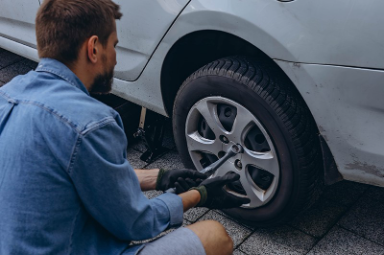
Can You Drive With a Flat Tire?
Driving with a flat tire is not recommended because it can damage more than just the tire. Continuing to drive may affect the wheel, suspension components, and overall handling of your vehicle. Even a short distance on a completely deflated tire can create additional problems.
If your vehicle has run-flat tires or a temporary mobility kit, refer to your owner’s manual for specific guidelines. Otherwise, it is best to stop as soon as possible and determine the safest next step.
How Do You Know If a Flat Tire Can Be Repaired?
Not every flat tire requires replacement. A professional technician can inspect the tire to determine whether the damage can be safely repaired. Repairs may be possible when the puncture is located in the tread area and the tire has not been driven while severely underinflated.
A tire replacement may be necessary if there is sidewall damage, significant wear, or internal damage. Proper inspection ensures your vehicle receives the correct solution for safe and reliable driving.
What Should You Do If You Have a Spare Tire?
If your vehicle includes a spare tire and you are in a safe location, you may be able to temporarily replace the damaged tire. Before changing the tire, make sure the vehicle is parked on stable ground and that you have the correct tools available.
Keep in mind that spare tires are designed for temporary use. After installing a spare, schedule a tire inspection as soon as possible to determine whether your original tire can be repaired or needs replacement.
How Can You Prevent Future Flat Tires?
Regular tire maintenance can help reduce the chance of unexpected tire issues. Checking tire pressure, monitoring tread wear, rotating tires as recommended, and scheduling routine inspections can help keep your vehicle prepared for daily driving.
The service team at Steinle Chevrolet Buick in Clyde, OH, can assist with tire inspections, repairs, replacements, and other maintenance needs for your Chevrolet or Buick. Proper tire care helps support vehicle safety, handling, and long-term performance.
Connect with us

