




Tires have a tough job. They're expected to carry several thousand pounds of vehicle, survive potholes, rainstorms, summer heat, winter cold, and the occasional encounter with a curb, all while delivering grip, comfort, and safety. Then, somehow, most of us forget they exist until one goes flat.
The reality is that your tires are the only part of your Chevrolet touching the road. Four patches of rubber, each about the size of your hand, are responsible for every bit of acceleration, braking, and cornering your vehicle performs. That's quite a responsibility.
Decoding All Those Numbers on the Sidewall
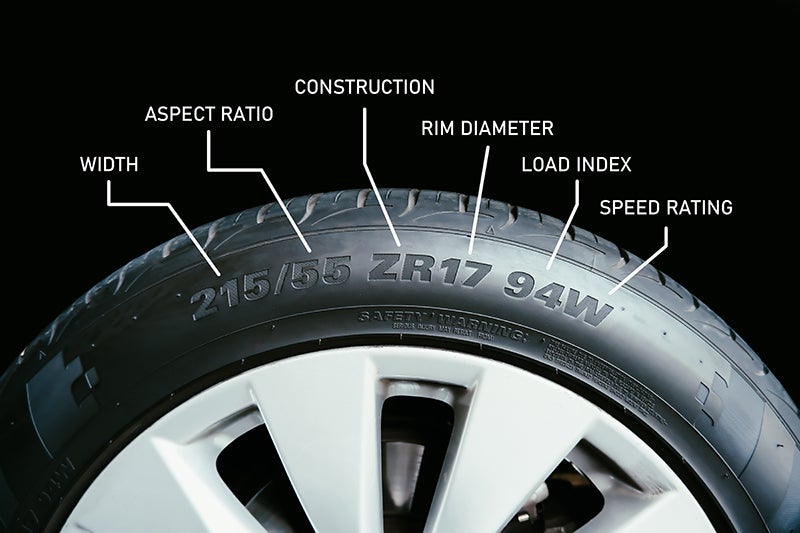
Let's start with the mysterious string of letters and numbers printed on the side of every tire. Take something like P215/65R16 98H.
It looks like a password generated by an especially grumpy computer, but it contains useful information. The "P" identifies the tire as a passenger vehicle tire. The width is 215 millimeters. The sidewall height is 65 percent of that width. "R" means radial construction, and 16 refers to the wheel diameter in inches.
The remaining numbers indicate load capacity and speed rating. Simple, really. Once somebody explains it.
Tire Rotations: The Maintenance Item Everyone Forgets
Tires rarely wear evenly. Front tires usually have a tougher life because they handle steering duties and, on many vehicles, much of the acceleration work as well. Left alone, they can wear significantly faster than the rear tires.
That is why tire rotations matter. Most manufacturers recommend rotating tires every 5,000 to 7,500 miles. Conveniently, that often lines up with routine service visits. Rotating them regularly helps distribute wear more evenly and can significantly extend overall tire life. It is not exciting maintenance, but it is surprisingly effective.
When Is It Time for New Tires?
There are two things that eventually catch every tire: wear and age. The classic penny test remains useful. Place a penny into the tread with Lincoln's head facing downward. If you can see the top of his head, the tread depth has reached the point where replacement should be considered.
Even tires that look healthy can age out. Rubber naturally hardens and deteriorates over time. Many manufacturers recommend replacing tires that are between six and ten years old, regardless of remaining tread depth. In other words, tires have an expiration date, even if they never tell you directly.
Warning Signs You Shouldn't Ignore
Tires are generally polite enough to provide warnings before something serious happens. Uneven tread wear can indicate alignment or suspension issues. Bulges in the sidewall often point to internal damage and deserve immediate attention. Cracks, persistent vibrations, or a tire that continually loses pressure are all signs that something is wrong.
These are not problems that tend to improve with optimism. A quick inspection today can prevent a much larger inconvenience tomorrow.
What Happens If You Get a Flat Tire?
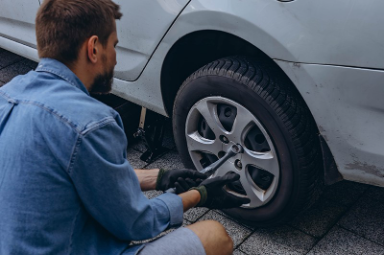
First, don't panic. If a tire fails while driving, keep both hands on the wheel and gradually ease off the accelerator. Resist the urge to slam on the brakes. Allow the vehicle to slow naturally while moving to a safe location away from traffic. Once stopped, turn on your hazard lights and assess the situation.
If you have a spare tire and know how to use it, great. If not, roadside assistance is often the smarter choice. Many Chevrolet owners also have access to assistance services through OnStar®, making it easier to get help when needed.
A Little Attention Goes a Long Way
Tires do not ask for much. Proper inflation, occasional rotations, alignment checks, and routine inspections cover most of what they need. In return, they provide grip, stability, comfort, and safety every single time you drive.
Drivers throughout Clyde, Ohio can rely on certified Chevrolet service technicians for tire inspections, rotations, balancing, alignments, and replacements at Steinle Chevrolet Buick. Keeping your tires in good condition is one of the simplest ways to help your vehicle perform at its best and keep every drive a little less stressful.